
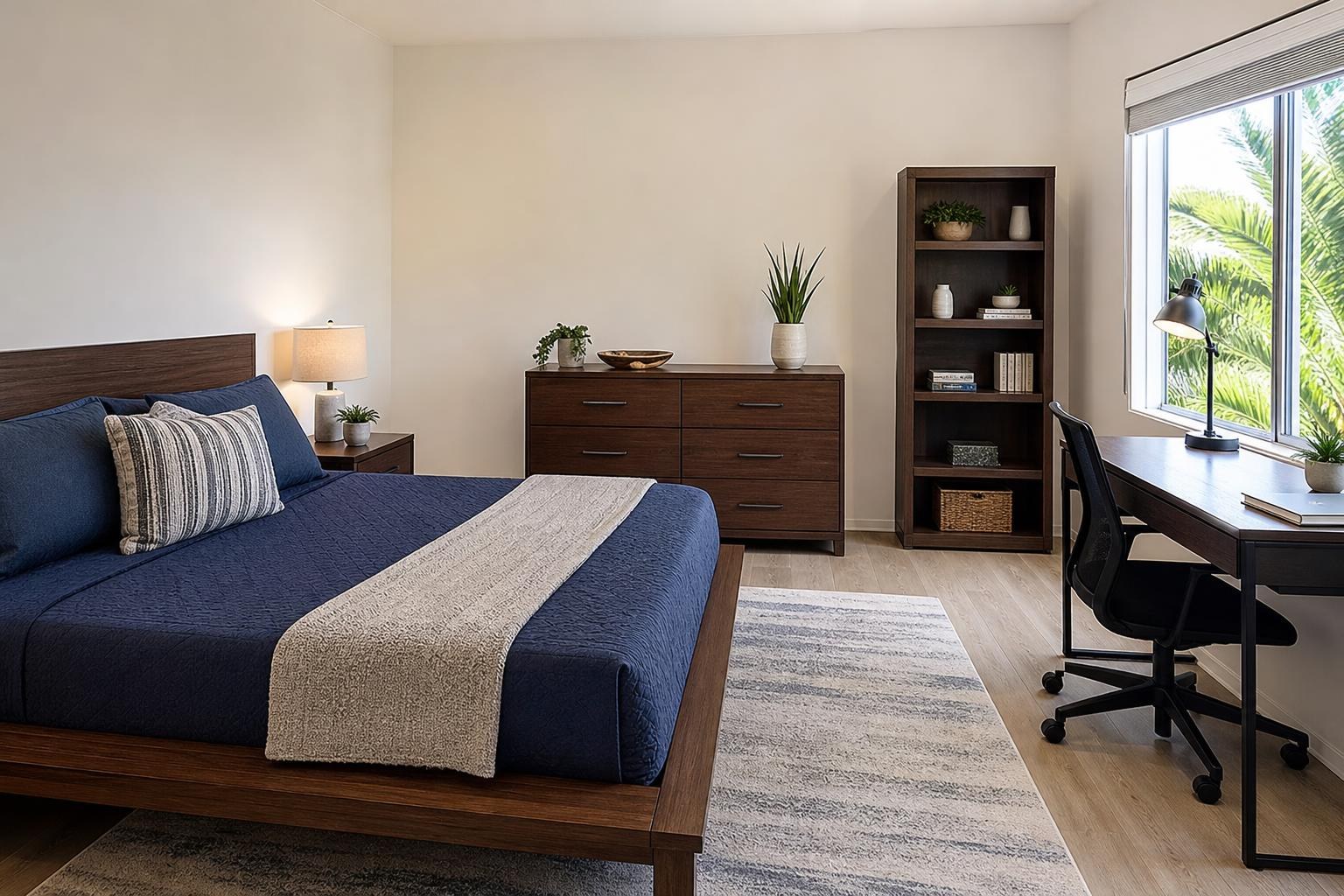
Why Furniture Assembly Quotes Vary: 9 Details That Change the Scope
November 12, 2026
You have a boxed bed, dresser, desk, table, or shelving unit ready to assemble. The first question is usually straightforward: how much will it cost? The harder part is understanding why a simple-looking piece may not receive the same quote as another item of similar size.
Furniture assembly pricing is shaped by more than the retail price or number of boxes. Hardware volume, component count, access, wall attachment, product condition, and final placement can all change the working scope. This is especially important when furnishing a new home, preparing a rental, setting up an office, or coordinating several pieces under a move-in deadline.
USA Handyman Pros lists furniture assembly starting from $125+. That is a starting price, not a universal rate. Final pricing varies according to the specific items and project details.
Why the Furniture Price Does Not Predict the Assembly Price
A more expensive item is not automatically more difficult to assemble, and a budget-friendly flat-pack piece is not always quick. One solid table may have a top and four legs, while a lower-priced desk may contain drawers, rails, shelves, doors, cable-management parts, and dozens of similar fasteners.
The useful comparison is not simply “bed versus desk” or “dresser versus shelving.” A clear quote considers what must happen between opening the boxes and leaving the furniture correctly positioned and ready to use.
9 Factors That Can Change a Furniture Assembly Quote
1. Component and hardware count
Every panel, bracket, drawer slide, hinge, fastener, and trim piece adds handling and verification time. Pieces with many small components may require careful sorting before assembly begins. Similar-looking hardware can also slow the process because each part must be matched to the correct stage in the manufacturer’s instructions.
2. Drawers, doors, and moving parts
Furniture with moving components generally requires more alignment than an open-frame item. Dressers, cabinets, storage beds, desks with keyboard trays, and shelving units with doors may need adjustments so fronts sit evenly and moving parts operate as intended.
A basic open bookshelf and a storage cabinet of the same height therefore may represent very different scopes.
3. Item size and number of people needed for safe handling
Large headboards, long tabletops, tall wardrobes, and wide shelving units may be difficult to turn, lift, or position in a confined room. The issue is not just weight. The shape of the piece, ceiling height, nearby walls, and the space available to assemble and rotate it also matter.
Sharing dimensions and product links helps identify oversized components before the appointment rather than after the boxes are opened.
4. Room access
Assembly in a clear first-floor room is different from assembly in an upstairs bedroom reached by a narrow staircase. Elevators, long apartment corridors, limited parking access, small doorways, and crowded rooms can add handling considerations.
For Central Florida apartment moves and multi-unit properties, it also helps to mention elevator reservations, loading instructions, gate access, and any building rules that could affect entry.
5. Where the boxes are located
A quote may assume that the furniture is already in or near its destination room. If multiple heavy boxes are in a garage, lobby, leasing office, or another floor, moving them becomes part of the project scope.
Be specific about both the starting location and final placement. “One queen bed upstairs; four unopened boxes currently in the garage” is more useful than “assemble one bed.”
6. Wall anchoring or attachment requirements
Tall dressers, bookcases, and cabinets may include manufacturer-provided anti-tip hardware. Wall attachment changes the scope because the wall type, furniture location, included hardware, and manufacturer requirements must be considered.
Tell the service provider in advance if anchoring is requested. Include a clear photo of the wall and mention whether it appears to be drywall, masonry, or another finish. Furniture should not be treated as freestanding when the manufacturer requires secure attachment.
7. Missing, damaged, or previously opened parts
Factory-sealed packaging does not guarantee that every component arrived in usable condition. Missing fasteners, cracked panels, bent hardware, stripped connections, and incomplete instructions may prevent normal assembly.
Previously assembled furniture can be even less predictable. Disassembly during a move may leave mixed hardware, damaged connectors, or unlabeled panels. A request to “reassemble” a used item should be identified as such because it is not equivalent to opening a new, complete package.
8. Disassembly, packaging, and room preparation
If an old bed must be taken apart before the new one can be assembled, that is an additional task. The same applies when existing furniture must be moved, a crowded room must be cleared, or extensive packaging needs to be consolidated.
Do not assume removal or disposal is automatically included. State what you want done with the previous furniture and packaging so the requested scope can be reviewed accurately.
9. The number and mix of items
“Five pieces” is not enough information for a multi-item quote. Five simple chairs are a different project from a bed, two nightstands, a six-drawer dresser, and a desk with storage.
A grouped appointment can be convenient for move-ins, rental turnovers, and office setups, but every item should still be listed. The mix determines the likely assembly sequence, room-to-room movement, wall-attachment needs, and overall complexity.
How Beds, Dressers, Desks, Tables, and Shelving Differ
Item type remains relevant, but the configuration within each category matters most.
- Beds: Platform designs, slatted frames, storage drawers, upholstered headboards, and adjustable components have different parts and positioning needs. Mattress removal and existing-frame disassembly should be disclosed.
- Dressers: Drawer count, slide design, door sections, mirrors, and anti-tip hardware can affect alignment and wall-attachment scope.
- Desks: A basic writing desk may be relatively simple, while an L-shaped desk with drawers, shelving, or a hutch can involve many more panels and orientation decisions.
- Tables: A fixed dining table may have few components. Extension leaves, benches, pedestal bases, or matching chair assembly can create a larger project.
- Shelving: Low open shelves differ from tall bookcases, modular systems, cabinets, or units requiring manufacturer-specified anchoring.
Product names alone may not reveal these differences. A manufacturer link, model number, instruction manual, or photo of the box label often provides the clearest picture.
What to Send for a More Accurate Quote
A strong project brief reduces assumptions and makes it easier to compare like-for-like service options. Before requesting a quote, gather:
- The exact quantity and type of each item
- Product links, model numbers, or box-label photos
- Photos showing all boxes and their current condition
- The destination room and floor for each item
- Details about stairs, elevators, gates, or restricted access
- Whether the items are new, opened, partially assembled, or previously used
- Any requested wall anchoring or attachment
- Whether existing furniture must be moved or disassembled
- Your desired final placement and orientation
Property managers can use the same list for rental turnovers. Add the unit number, access instructions, onsite contact, vacant or occupied status, and a room-by-room item list. This helps prevent confusion when several units or bedrooms have similar furniture.
Prepare the Space Without Taking On the Assembly
You do not need to sort every fastener or open all the boxes before service. In fact, keeping packaging and labels intact can make parts easier to identify. Instead, focus on creating a usable workspace.
Clear personal belongings from the assembly area, confirm the intended furniture location, and provide enough room for panels to be laid out safely. Keep children and pets away from loose hardware and unfinished furniture. If the item will sit against a wall, identify the preferred position before assembly begins.
For desks, shelving, and bedroom furniture, consider nearby doors, drawers, vents, baseboards, and walking paths. Placement decisions made early can prevent a completed piece from needing to be shifted through a tight room later.
Compare Quotes by Scope, Not Just the Total
When comparing furniture assembly quotes, check whether each one is based on the same item list and conditions. One provider may be quoting only assembly, while another may be accounting for upstairs box movement, old-furniture disassembly, wall anchoring, or several rooms.
A useful quote should be based on a clear description of what is being assembled and what additional handling is requested. If your project also includes pictures, mirrors, shelves, or other move-in tasks, review the available handyman services and list those projects separately rather than hiding them under “furniture setup.”
Ready to Price Your Furniture Assembly Project?
Whether you are furnishing one bedroom in Ocala, preparing a rental in Gainesville, or setting up several pieces elsewhere in Central Florida, good project details make the quoting process easier. Send the item list, product links, room locations, access information, and any anchoring requests.
You can request an instant quote or book USA Handyman Pros online. Final pricing will reflect the actual project scope, with furniture assembly currently listed from $125+.
Ready to Get the Project Off Your To-Do List?
From furniture assembly and TV mounting to drywall repair, painting, pressure washing, accent walls, shelves, pictures, mirrors, and other approved handyman projects, USA Handyman Pros can help you turn the list into finished work.
USA Handyman Pros
(352) 462-0943
Project scope, materials, access, surface conditions, travel, availability, and final pricing can vary. Starting prices are not final quotes. Work requiring a licensed trade professional is outside the scope of this automated handyman content.