
Apartment Move-Out Wall Repair: Scope the Work Before the Final Walkthrough
November 18, 2026
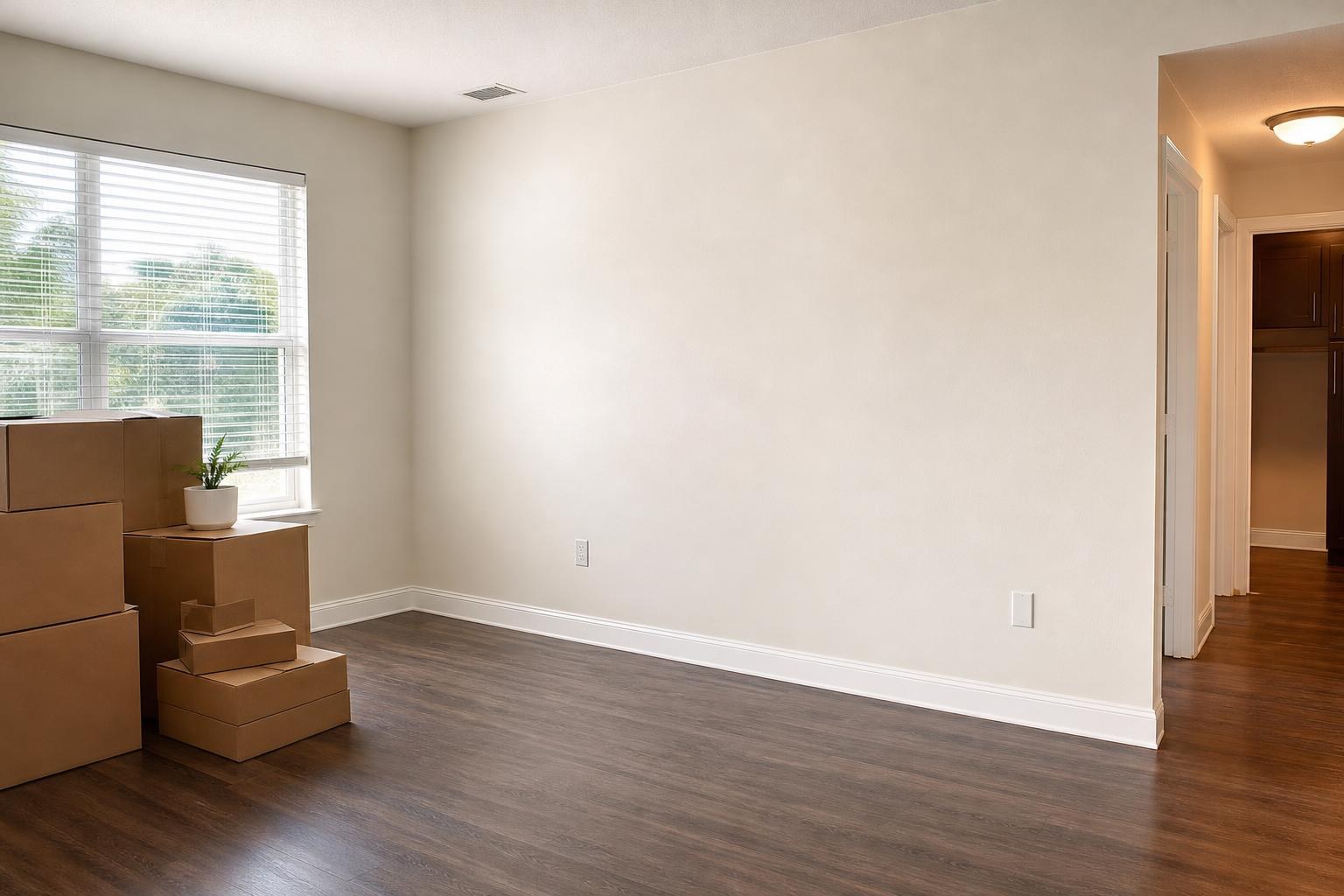
The furniture is almost out, the keys are due soon, and the walls look different than they did when the apartment was furnished. Picture hooks are visible. A TV mount left several holes. One corner has a noticeable dent, and the paint behind the sofa does not match the exposed wall.
The immediate decision is whether to address those areas before the final walkthrough—and, if so, whether the job calls for isolated patching, paint touch-ups, or a broader room refresh. A rushed request to “fix the walls” rarely gives a handyman enough information to price or plan the work accurately.
A better approach is to inspect the empty rooms, confirm what the lease or property manager allows, and build a wall-by-wall scope. This helps renters avoid unnecessary work and gives landlords or property managers a more organized plan for turning the unit.
Start With the Lease and Property Manager’s Requirements
Before arranging apartment move-out wall repair, review the lease and any written move-out instructions. Apartment communities do not all treat nail holes, anchors, adhesive strips, paint changes, or mounted hardware the same way.
Some managers prefer residents to leave certain small holes alone so the maintenance team can use its standard materials and paint. Others expect unauthorized colors, damaged drywall, or mounting holes to be addressed before handoff. If the instructions are unclear, ask the property manager what residents are permitted or expected to repair.
This step is especially important when a wall has a custom color, textured finish, wallpaper, decorative panel, or previous repair. Completing unauthorized cosmetic work can create a second problem rather than resolving the first. Documentation and repair may help present the unit in better condition, but neither guarantees a particular walkthrough or deposit outcome.
Identify the Actual Wall Condition After the Apartment Is Empty
Walls should be evaluated after artwork, televisions, mirrors, shelves, headboards, and most furniture have been removed. Furnished rooms can conceal dents, scraped corners, adhesive residue, and mismatched paint.
Common move-out conditions include small fastener holes, wall-anchor holes, minor dents, torn drywall paper, failed adhesive damage, scuffing, and openings left by larger mounted items. These conditions do not necessarily belong in the same repair category. A few clean nail holes are different from clustered TV-mount holes or an area where the drywall face has peeled away.
Marking every affected location with removable notes can make the walkthrough easier, provided the notes themselves will not damage the finish. Numbering the areas also helps a handyman connect close-up photos with wider room images.
Decide Between Patching, Touch-Ups, and Full-Room Painting
The visible hole or dent is only one part of the scope. The finished appearance depends on the surrounding texture, paint color, sheen, wall age, and lighting.
When localized repair may be appropriate
Isolated damage may be a candidate for drywall patching and wall repair when the surrounding wall is otherwise in good condition. The quote should identify how many areas need attention, their approximate dimensions, and whether the surface has a smooth or textured finish.
Repairing the damaged surface does not automatically make the paint blend invisible. Even paint with the same color name can stand out if the existing wall has faded, the sheen differs, or the original coating was applied years earlier.
When a paint touch-up may not blend
Touch-ups are more promising when the original paint is available, the wall was painted relatively recently, and the finish has not changed significantly. Provide a photo of any labeled paint can, manufacturer information, color code, and sheen if those details are available. Do not assume that an unlabeled leftover can belongs to the apartment wall.
When repainting the room may be cleaner
A broader paint scope may make sense when repairs appear on several walls, the current color cannot be matched, or repeated touch-ups would leave a spotted appearance. USA Handyman Pros lists full-room painting from $200+, with final pricing based on the project details. Painting one complete wall may also be considered in some situations, but the transition to adjacent walls and the property manager’s standards should be discussed first.
What Changes an Apartment Wall Repair Quote?
Two apartments with the same number of rooms can require very different amounts of work. A clear quote depends more on the condition and distribution of the damage than on bedroom count alone.
Important pricing factors include the number and size of repair areas, drywall surface condition, texture matching, paint availability, wall height, furniture or belongings that restrict access, and whether mounted items still need to be removed. Multiple scattered repairs can also require more preparation and finishing than one concentrated area.
USA Handyman Pros lists drywall repair from $150+. That is a starting price, not a fixed apartment move-out rate. Paint, finish requirements, the number of rooms, access, and the combined scope can all affect final pricing.
If the wall condition may indicate an active leak, electrical concern, structural movement, mold, or another issue outside cosmetic handyman work, notify the property manager. The appropriate licensed or qualified professional should evaluate that portion before cosmetic repairs are planned.
Send Photos That Support a More Accurate Quote
A single close-up photograph rarely shows enough context. A useful move-out request combines room-level images with detailed views and written measurements. Before requesting a quote, gather:
- One wide photo of each affected wall
- A close-up of every damaged area, grouped and numbered by room
- Approximate width and height of larger holes, dents, or peeled areas
- Photos of the wall texture and surrounding paint under normal lighting
- Any available paint label, color code, and sheen information
- Details about items that still need to be removed from the wall
- The apartment access procedure, parking notes, and required completion date
Property managers should also state whether the scope is limited to wall stabilization and patching or includes paint-ready finishing, touch-ups, or full-room painting. That distinction keeps the estimate aligned with the unit-ready standard.
Schedule the Work Around Movers, Cleaning, and Inspection
Across Central Florida, apartment turnover windows can be tight, but the order of work still matters. Requesting an initial quote before moving day can help with planning, especially if the known scope includes TV-mount holes or a damaged wall. Final confirmation is easier once large furniture and wall decor are out.
Wall repairs and painting generally should occur after movers have cleared the work area but before the final cleaning. Otherwise, furniture can block damaged sections, and repair dust or paint preparation may affect a space that was already cleaned.
Allow reasonable time for the approved finish to dry before placing belongings against the wall or completing the final inspection. Avoid scheduling the appointment for the last possible hour before key return. A hidden area, unavailable paint color, or expanded repair scope can change the plan.
A Better Scope for Renters and Property Managers
Renters benefit from separating wall work from unrelated move-out tasks. Instead of describing the request as a general apartment cleanup, identify the exact rooms, repair locations, desired finish, and deadline. If locks, furniture disassembly, or other handyman projects are involved, confirm that those items are authorized and list them separately.
Property managers can use the same method across multiple units: room name, wall location, damage type, approximate dimensions, finish requirement, and access status. A standardized scope makes it easier to distinguish resident-requested work from the property’s broader turnover responsibilities.
For projects involving several non-regulated tasks, review the available handyman services and submit the complete list at one time. Bundling can improve planning, but each task should still be documented clearly enough to evaluate.
Request an Apartment Move-Out Wall Repair Quote
The best time to request help is when you can describe the wall condition, provide useful photos, and confirm the apartment’s repair expectations. That information helps determine whether the practical scope is localized drywall repair, paint touch-ups, full-room painting, or a combination.
USA Handyman Pros serves homeowners, renters, property managers, and businesses, with current local coverage across Marion, Levy, Citrus, Alachua, and Orange counties and nearby communities. To share your apartment details, request an instant quote or book online. You can also call (352) 462-0943.
Ready to Get the Project Off Your To-Do List?
From furniture assembly and TV mounting to drywall repair, painting, pressure washing, accent walls, shelves, pictures, mirrors, and other approved handyman projects, USA Handyman Pros can help you turn the list into finished work.
USA Handyman Pros
(352) 462-0943
Project scope, materials, access, surface conditions, travel, availability, and final pricing can vary. Starting prices are not final quotes. Work requiring a licensed trade professional is outside the scope of this automated handyman content.